
Construction Site Injuries: Who Can Be Held Liable?
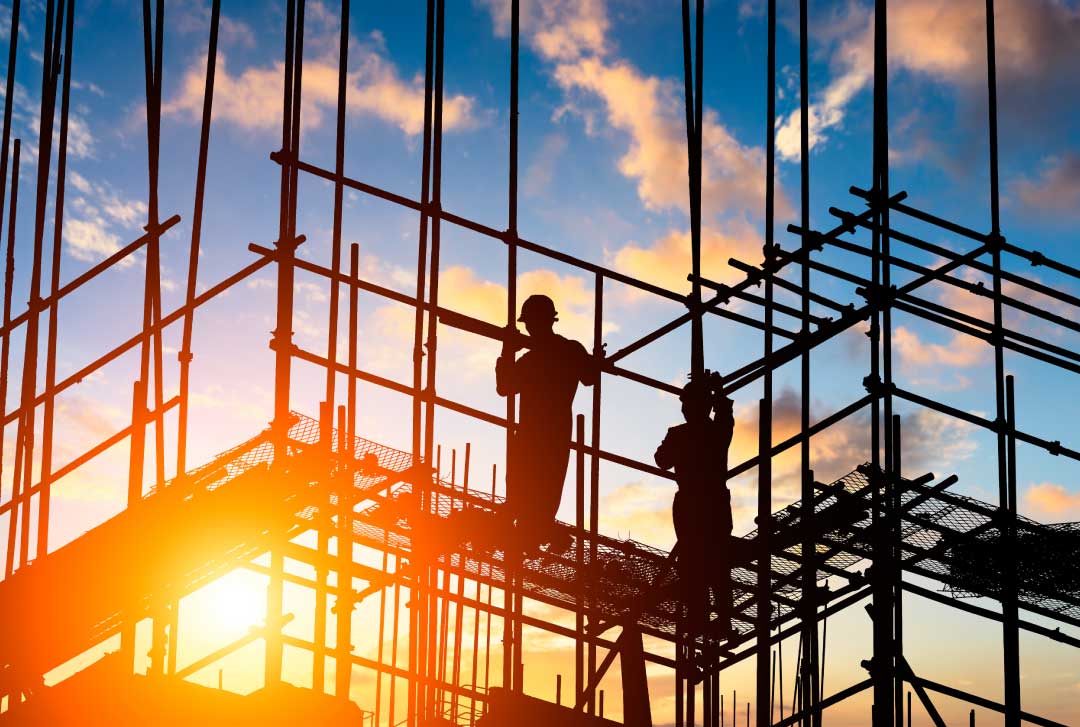
Construction sites are among the most dangerous workplaces in Florida. Every day, workers operate heavy machinery, climb scaffolding, handle hazardous materials, and perform tasks in unpredictable conditions. While safety regulations are in place to prevent accidents, injuries on construction sites are still common — and when they happen, the consequences can be severe.
At The Corry Law Firm, we understand the challenges that come with recovering from a construction site injury. Victims often face mounting medical bills, lost wages, and long-term disabilities that affect their ability to return to work. Determining who is liable for these injuries can be complex, as construction sites typically involve multiple parties, including contractors, property owners, equipment manufacturers, and employers.
This guide breaks down the causes of construction site injuries, the parties who may be held legally responsible, and how victims can pursue fair compensation.
The Risks of Construction Work
The construction industry has one of the highest rates of workplace accidents in the country. According to the Occupational Safety and Health Administration (OSHA), one in five worker fatalities in the United States occurs in construction.
The “Fatal Four” causes of construction-related deaths are:
- Falls – from roofs, scaffolding, ladders, or other elevated structures
- Struck-by incidents – being hit by a moving vehicle, equipment, or falling object
- Electrocutions – contact with live wires, power lines, or faulty equipment
- Caught-in/between accidents – being crushed between equipment, collapsing structures, or machinery
In addition to these deadly hazards, construction workers also face non-fatal but serious injuries such as:
- Broken bones or fractures
- Burns
- Spinal cord injuries
- Traumatic brain injuries (TBI)
- Hearing or vision loss
- Chemical exposure injuries
- Repetitive stress injuries
When an accident happens, identifying the responsible party is crucial for obtaining compensation beyond workers’ compensation benefits.
Understanding Liability in Construction Site Injuries
Construction sites are dynamic environments where multiple companies and individuals may share responsibility for safety. Liability depends on who had control, who caused the hazard, and whether safety regulations were violated.
Unlike a standard workplace injury claim, where an employee’s recovery may be limited to workers’ compensation, construction site injuries often involve third-party liability claims — meaning someone other than the employer may be held responsible.
Let’s break down the most common parties who may be held liable for a construction site accident.
1. Construction Site Owners
Property or site owners can be held liable if unsafe conditions on their property contributed to an injury. Their level of responsibility often depends on how much control they had over the work being done.
If the property owner maintained active involvement in the construction process or failed to address known hazards, they may be considered negligent. For example:
- Failing to fix dangerous conditions like unstable ground or exposed wiring
- Not warning workers of known hazards on-site
- Neglecting to enforce safety requirements
Under Florida premises liability law, property owners owe a duty of care to those lawfully on their property, including construction workers. However, if the owner handed full control of the site to a general contractor, liability might shift.
2. General Contractors and Subcontractors
General contractors are typically responsible for overseeing the construction project and ensuring that the site complies with safety regulations. This includes:
- Maintaining OSHA-compliant work conditions
- Providing proper training and safety equipment
- Ensuring that all subcontractors follow safety standards
If a general contractor fails to take these precautions, they can be held liable for resulting injuries.
Subcontractors may also share liability if their negligence causes harm. For instance:
- A roofing subcontractor leaves tools unsecured, causing a fall hazard
- An electrical subcontractor fails to shut off power before working on wiring
- A concrete subcontractor improperly installs scaffolding that collapses
Both general contractors and subcontractors are legally obligated to maintain safe work practices. When they don’t, injured workers may be able to file a third-party personal injury claim in addition to workers’ compensation.
3. Equipment and Machinery Manufacturers
Construction often relies on heavy equipment like cranes, forklifts, power tools, and scaffolding. If a piece of machinery or tool is defectively designed or manufactured, and that defect causes an injury, the manufacturer may be held liable under product liability law.
Common examples include:
- A fatal crash from a self-driving Tesla
- A power saw with a defective safety guard
- Faulty brakes on a construction vehicle
- A safety harness that fails under normal use
In these cases, injured workers can pursue compensation through a product liability lawsuit against the manufacturer, distributor, or retailer of the defective equipment.
To prove liability, your attorney must show that:
- The product was defective or unsafe when used as intended
- The defect caused your injury
- You were using the product properly at the time of the incident
4. Third-Party Drivers or Delivery Companies
Construction sites often require deliveries of materials or equipment. If a third-party driver (such as a delivery truck operator) causes an accident that injures a worker, that driver and their employer may be held liable.
Examples include:
- A supply truck hitting a worker on-site
- A delivery vehicle backing into a construction zone without warning
- A subcontracted hauler causing a collision en route to or from the site
Because these drivers are not typically employed by the construction company, they can be sued directly for damages through a personal injury claim.
5. Engineers, Architects, or Designers
Professionals who design or plan construction projects — such as architects and engineers — have a duty to ensure that their work meets safety standards. If design flaws or negligent supervision lead to an accident, they may share responsibility.
Examples include:
- An architect failing to include safety features in the building design
- An engineer’s miscalculation causing a structural collapse
- A project manager ignoring load-bearing limitations
These cases often involve professional negligence claims, which require expert testimony to establish that the professional deviated from accepted industry standards.
6. Employers and Co-Workers
In most cases, injured construction workers are limited to workers’ compensation benefits when their employer or a co-worker is at fault. Workers’ comp provides medical benefits and partial wage replacement without needing to prove negligence.
However, there are exceptions where an employer or co-worker can still be sued, such as:
- When the employer’s conduct was intentional or egregiously reckless
- When a third-party contractor (not your employer) was responsible
- When the employer failed to carry workers’ compensation insurance (which is illegal in Florida for most construction companies)
If any of these exceptions apply, your attorney can help you file a direct lawsuit to recover additional damages.
Common Causes of Construction Site Accidents
Understanding what causes construction accidents can help identify liability and build a stronger case. Common causes include:
- Inadequate safety training
- Failure to provide protective equipment (PPE)
- Improperly maintained equipment
- Unsafe scaffolding or ladders
- Negligent supervision
- Violations of OSHA regulations
- Falling objects or collapsing structures
- Unsafe work practices by other contractors
When negligence or safety violations lead to injury, the responsible party should be held accountable — and The Corry Law Firm can help ensure that happens.
Types of Compensation Available
Victims of construction site accidents may be entitled to compensation for both economic and non-economic damages, depending on the circumstances of the case.
Economic Damages
These cover measurable financial losses, such as:
- Medical bills (emergency care, surgery, physical therapy, etc.)
- Lost wages
- Future loss of earning capacity
- Property damage
- Rehabilitation or long-term care costs
Non-Economic Damages
These compensate for emotional and psychological losses, including:
- Pain and suffering
- Emotional distress
- Loss of enjoyment of life
- Scarring or disfigurement
In cases of extreme negligence or misconduct, punitive damages may also be awarded to punish the responsible party and deter similar behavior in the future.
Workers’ Compensation vs. Personal Injury Claims
It’s important to understand the difference between a workers’ compensation claim and a personal injury lawsuit in Florida.
Workers’ Compensation
Workers’ comp is a no-fault system, meaning you can receive benefits without proving negligence. However, the tradeoff is that workers’ compensation benefits are limited — they don’t cover pain and suffering or full wage losses.
Personal Injury Lawsuit
If someone other than your employer was responsible for your injury (for example, a subcontractor or equipment manufacturer), you may file a third-party personal injury claim. This allows you to seek full compensation for all your losses, including non-economic damages.
An experienced construction accident attorney can help you determine whether you’re eligible for a third-party claim in addition to workers’ comp benefits.
How to Protect Your Rights After a Construction Accident
If you’ve been injured on a construction site in Florida, taking the right steps can protect your rights and strengthen your case:
- Report the Accident Immediately
Notify your supervisor or site manager right away. Delaying a report can complicate your workers’ compensation claim or legal case. - Seek Medical Attention
Get medical care as soon as possible, even if your injuries seem minor. Medical records are crucial evidence in injury cases. - Document the Scene
Take photos of the accident scene, your injuries, and any unsafe conditions that contributed to the incident. - Identify Witnesses
Collect contact information from co-workers or bystanders who saw the accident. - Keep Records
Save copies of medical bills, accident reports, communications with your employer, and any correspondence from insurance companies. - Contact a Construction Accident Lawyer
Before giving statements to insurers or signing documents, speak with an experienced attorney who can protect your interests.
The Role of OSHA in Construction Accident Cases
The Occupational Safety and Health Administration (OSHA) establishes federal safety standards for construction sites. Employers and contractors must follow these regulations to protect workers from harm.
When OSHA violations contribute to an accident, they can serve as powerful evidence of negligence in a personal injury case. Examples include:
- Failing to install fall protection systems
- Ignoring scaffold safety requirements
- Neglecting equipment maintenance
- Failing to post warning signs or provide protective gear
At The Corry Law Firm, we often work with safety experts to identify violations and hold negligent parties accountable.
How The Corry Law Firm Can Help
Construction site injury cases are often complex, involving multiple defendants, overlapping insurance policies, and extensive investigations. At The Corry Law Firm, our team is skilled at unraveling these complexities to pursue maximum compensation for our clients.
When you hire our firm, we will:
- Conduct a thorough investigation of your accident
- Identify all potentially liable parties
- Work with medical and construction experts to strengthen your claim
- Handle all communication with insurers and opposing attorneys
- Negotiate for a fair settlement or take your case to court if necessary
Our goal is to help you recover physically, financially, and emotionally after a devastating workplace injury.
Why Choose The Corry Law Firm?
- Local Experience: Based in Tallahassee, we understand the construction industry across North Florida and have successfully represented workers and their families in complex personal injury cases.
- Proven Results: We’ve secured substantial settlements and verdicts for clients injured on the job.
- Personalized Service: We take the time to understand your story, explain your options, and build a case tailored to your needs.
- No Fees Unless We Win: You pay nothing unless we recover compensation on your behalf.
Conclusion: Standing Up for Injured Construction Workers in Florida
A construction site injury can turn your life upside down — from mounting medical bills to lost income and the uncertainty of recovery. You deserve justice and financial relief from those whose negligence caused your injuries.
At The Corry Law Firm, we are committed to fighting for injured construction workers and their families throughout Florida. Whether your case involves an unsafe worksite, defective equipment, or negligent contractors, we’ll work tirelessly to hold the right parties accountable and secure the compensation you deserve.
If you or someone you love has been injured on a construction site, contact The Corry Law Firm today for a free consultation. Let our experience and dedication help you get back on your feet and move forward with confidence.